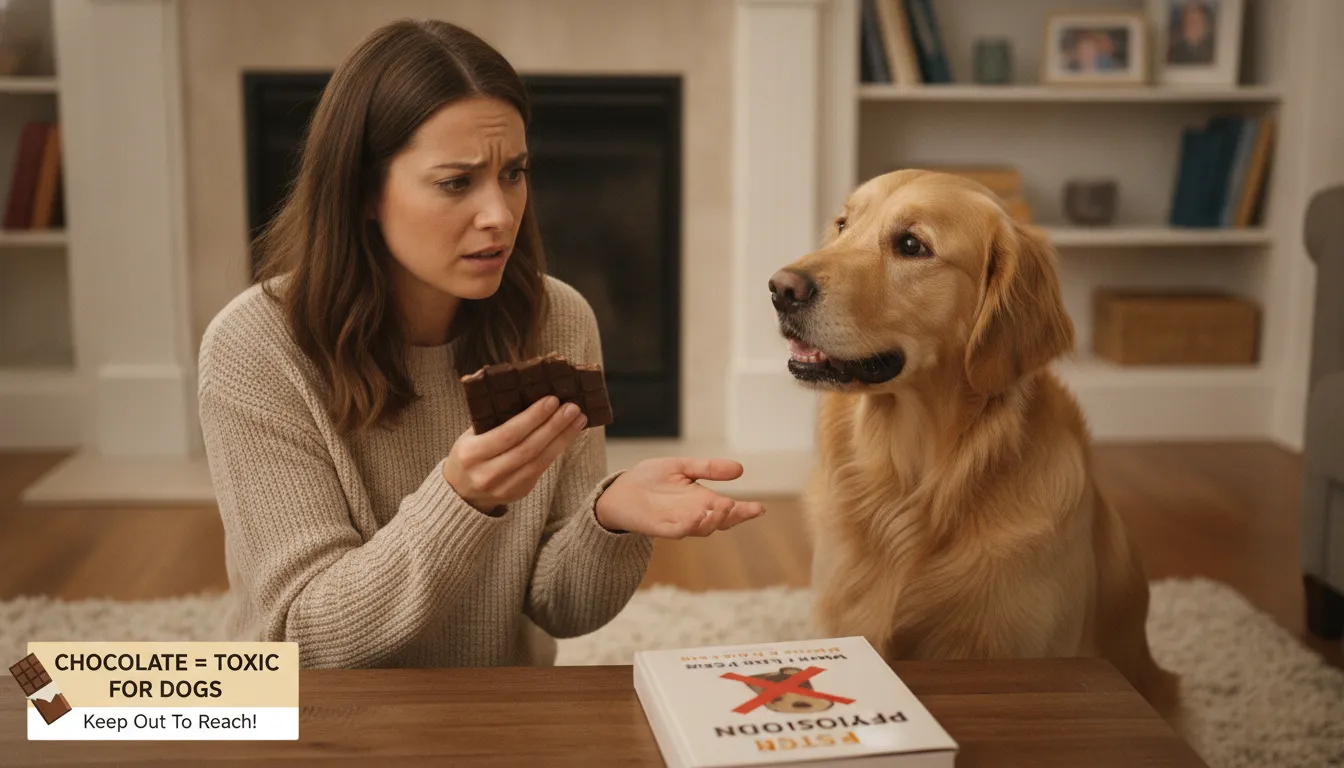
Small amounts of milk chocolate rarely kill a dog, but darker types are a different story. Just like with peanut butter, not all human foods are safe for dogs. Knowing just how much your pet can handle is vital for every owner.
Can dogs eat chocolate is a question every pet owner should know the answer to because chocolate contains toxic stimulants called theobromine and caffeine. These chemicals stay in a dog's system for a long time and can cause heart problems, muscle tremors, or seizures if eaten in large amounts. According to data from Cornell, darker types like baking chocolate are far more lethal than milk chocolate because they have higher levels of toxins. The risk depends on weight and the type of chocolate eaten, so you must call your vet right away to find out if help is needed. Acting fast can make a major difference in how well your pet recovers from this type of poisoning after an accident in the home occurs.
While most people know to keep candy away from pets, knowing the science can save your dog's life. Learning Why Chocolate Is Dangerous for Dogs helps you spot the early signs of poisoning so you can get help fast. The reason for this risk begins with.
Can Dogs Eat Chocolate: Why Chocolate Is Dangerous for Dogs
Most pet owners know that chocolate is bad for dogs, but many do not know why. The danger comes from two chemicals found in cocoa beans: theobromine and caffeine. These chemicals are part of a group called methylxanthines. While humans can process these compounds easily, dogs have a much harder time doing so. Like human foods that are risky for dogs, chocolate causes serious health issues if your pet eats too much.
The Problem with Theobromine
Theobromine is the main reason why chocolate is toxic to pets. It acts as a stimulant that affects the heart and the nervous system. In dogs, this chemical causes the heart rate to rise and makes muscles twitch. It also acts as a diuretic, which means it makes the dog lose more fluids through urine. Based on the Cornell Riney Canine Health Center, these compounds put too much stress on a dog's body. This stress can lead to shaking, a fast heart beat, or even seizures.
Slow Processing in Dogs
One major issue is how slowly dogs process these chemicals. When a person eats chocolate, their body breaks down theobromine quickly. In contrast, dogs process it very slowly. It can stay in a dog's system for more than 24 hours. Because it stays in the body for so long, the toxic effects can build up over time. This slow speed means even a small amount can cause problems that last for a day or more. If your dog eats chocolate, the signs may not show up right away, but the risk remains high for a long time.
Why Darker Chocolate Is Worse
Not all chocolate is the same when it comes to risk. The danger level depends on the amount of cocoa in the food. The darker and more bitter the chocolate is, the more theobromine it has. This is why a small piece of dark chocolate is often more risky than a large piece of milk chocolate. Cocoa powder and baking chocolate are the most risky because they have the highest levels of toxic chemicals. Semi-sweet and dark chocolates are next on the list. Milk chocolate has less of the chemical, but it can still be harmful to small dogs or if eaten in large amounts.
Knowing which type of chocolate your dog ate is vital for your vet. Always try to keep the wrapper or take a photo of the label. This info helps your vet find the best way to help. Some dogs might only have a mild upset stomach. Others may need urgent care to prevent damage to their heart or brain.
How Much Chocolate Is Toxic? By Type and Dog Size
The risk of chocolate depends on how much your dog weighs and what kind of chocolate they ate. Not all treats carry the same risk. Some have very high levels of theobromine, while others are less strong. You must know these facts to act fast if your dog gets into your candy stash. Both theobromine and caffeine are parts that can hurt your dog's heart and brain.
How Chocolate Type Matters
The rule is simple: the darker and more bitter the bar, the more toxic it is. Cornell University notes that cocoa powder is the most unsafe form because it has the highest amount of theobromine. Baking chocolate is the next most toxic type. Milk chocolate has much less of the chemical, but it still poses a threat in large amounts. Just like peanut butter, chocolate has specific risks for dogs that vary based on the parts used. Darker bars have up to six times more toxins than milk chocolate bars.
Chocolate Type | Theobromine per Ounce | Toxic Dose | Risk Level Milk Chocolate | 44-60 mg | 0.5 oz per lb | Low to Medium Dark Chocolate | 150-300 mg | 0.3 oz per lb | High Baking Chocolate | 450 mg | 0.1 oz per lb | Very High Cocoa Powder | 800 mg | Varies | Extreme
White chocolate has almost no theobromine, but it is not safe. It often has high levels of fat and sugar. These can cause a painful health issue called pancreatitis in dogs. You should keep all chocolate away from your pets to be safe. Even if the toxin level is low, the fat can still send your dog to the vet.
How Your Dog's Weight Changes the Risk
Your dog's size is a big factor in how they react to chocolate. A large dog can handle more than a small dog. For example, a 10-pound dog only needs to eat about 5 ounces of milk chocolate to show toxic signs. That is about one and a half standard candy bars. A 50-pound dog would need to eat much more to reach the same risk level. But even a small amount of baking chocolate can be lethal to a small dog. Just one ounce of baking chocolate can poison a 10-pound dog.
If you find your dog has eaten chocolate, try to find out how much they had. Check the wrapper for the weight and the type of chocolate. This data helps your vet decide on the best care. Small dogs are at the highest risk because their bodies cannot process the toxins as fast as larger dogs. Their small livers simply cannot keep up with the load of toxins.
Small vs Large Dog Limits
Vets look at the total dose of toxins per pound of body weight. Even a single small candy or a small chocolate kiss might not cause a major issue for a large dog. But for a tiny puppy, every gram counts. You should use a weight-based chart to see if your dog is in the danger zone. Most dogs do well if they get help right away. It is always best to call your vet the moment you see an empty wrapper on the floor.
Symptoms of Chocolate Poisoning in Dogs
When you ask, "Can dogs eat chocolate?" the answer is always no. While small amounts might not seem bad, the signs of poisoning can take time to show up. Most dogs will start to show symptoms within two to 12 hours after they eat the treat. These signs can last for as long as 36 hours as the dog's body tries to break down the toxic parts of the food. Just like peanut butter, chocolate has specific risks for dogs that every owner should know.
Early Signs to Watch For
The first signs often look like a simple stomach ache. You might see your dog vomit or have loose stools. Experts at Cornell say these early signs can show up fast. Common early symptoms include:
- Vomiting and diarrhea.
- Increased thirst and needing to pee more.
- Restlessness and pacing the floor.
- Panting more than usual.
Thirst and urination happen because the toxins in chocolate act like a drug that makes them pee more. It forces their kidneys to work harder to flush out the waste. You should watch your pet closely if you think they ate any amount of chocolate.
Moderate to Severe Symptoms
If the dog ate a large amount, the symptoms will get worse. This is a sign that the toxins are hitting their heart and brain. You may notice more severe changes in how your dog acts:
- Breathing very fast or shallow.
- A heart rate that is much faster than normal.
- Acting very wild, hyper, or jumpy.
- Muscle tremors or shaking that does not stop.
- Loss of balance or a struggle to walk.
In the worst cases, dogs may have seizures or fall into a coma. These severe issues can last for up to 36 hours and need a vet right away. Fever and unsteady heart beats are also very common in these deep stages of poisoning.
When to Call a Vet
You should not wait for severe signs to show up before you act. If you see your dog acting strange after eating chocolate, call your vet. It is much safer to get help early. A vet can help your dog before the toxins reach the heart or brain. If your dog is shaking, having a seizure, or seems very weak, take them to a clinic now.
Getting help early makes a big change in how fast a dog gets better. Most dogs do very well if they get help right away. But if you wait until the signs are severe, the risk to their life goes up. Keep an eye on the clock and the amount of chocolate your dog ate to help the vet make a plan.
What to Do If Your Dog Eats Chocolate
Finding an empty candy wrapper can be a scary moment for any pet owner. While chocolate is toxic to dogs, acting fast and staying calm can make a big difference. Most dogs recover fully with quick help. Follow these steps to keep your pet safe and get them the care they need.
- Check the chocolate type and amount. Find the wrapper or look for leftovers to see what kind of chocolate your dog ate. The darker and more bitter the chocolate, the higher the risk to your pet.
- Note your dog's weight. A vet needs to know how much your dog weighs to find out if the dose was toxic. A few ounces might not hurt a large dog but could be deadly for a small one.
- Call your vet or a pet poison line. Call your vet right away or contact a group like the ASPCA Animal Poison Control Center. They can tell you if the amount your dog ate is dangerous.
- Do not induce vomiting on your own. Never try to make your dog throw up unless a vet tells you to do so. Doing this wrong can cause aspiration pneumonia if the fluid enters their lungs.
- Go to the clinic if advised. If the dose is toxic, take your dog to the clinic immediately. Early care is the best way to ensure a positive outcome for your pet.
What happens at the vet clinic?
When you get to the clinic, the vet will start treatment to stop the toxin from moving into the blood. They may use activated charcoal to bind the chocolate in the stomach. This helps the toxins pass through the body without doing more harm. Your dog might also get IV fluids to stay hydrated and flush out the system.
In more serious cases, the vet will monitor your dog's heart rate and look for signs of tremors. They can give meds to keep the heart rhythm steady and stop seizures. Most dogs stay at the clinic for 12 to 36 hours for close watch.
Prognosis and recovery
The good news is that the outlook for dogs who eat chocolate is very good. If you get help early, most pets go back to their normal selves within 24 to 48 hours. Just like with peanut butter, knowing which human foods are safe is a key part of being a pet owner.
If you are ever unsure about a food, apps like Mylo help you find real answers from pet owners with similar dogs. Getting fast, clear advice can save you time and keep your pet healthy during a scare.
Can Dogs Eat White Chocolate?
White chocolate is not toxic to dogs in the same way as dark or milk chocolate. It contains almost no cocoa solids. These are the parts of the plant that carry the harmful theobromine. Most white chocolate has less than 1 milligram of theobromine per ounce. While this means your dog is not likely to get sick from the chocolate itself, this treat still poses health risks to your pet.
Low levels of theobromine
The main danger in chocolate comes from theobromine and caffeine. Darker chocolates have high amounts of these chemicals. But white chocolate is made mostly from cocoa butter, sugar, and milk. The Cornell Riney Canine Health Center says theobromine levels in white chocolate are very low. This means a small piece will not cause heart or nerve issues for most dogs.
Risks from fat and sugar
Even though it is not a toxin, white chocolate is very high in fat and sugar. These parts can lead to several health problems for your dog:
- Pancreatitis from a large dose of fat
- Severe belly pain and vomiting
- Weight gain from too many calories
- Tooth decay from high sugar levels
High sugar is bad for dogs. These empty calories have no use for your pet and often cause a sour stomach. Pancreatitis is a painful issue that happens when the pancreas becomes inflamed. This issue can be a life-long problem once it starts.
Why you should skip it
Just like with peanut butter, not all human foods are safe for every dog. Giving your dog white chocolate can cause diarrhea or low energy. It is best to stick to treats made just for pets. If you are not sure what your dog can eat, Mylo helps you find real answers from pet owners with similar dogs. Always call your vet if your dog eats a large amount of any sweet.
How Mylo Helps Pet Owners Make Safer Decisions
When your dog eats something they should not, you need fast and clear facts. Most search results give you the same broad tips that do not account for your dog's size or breed. Mylo changes how you find help by showing you what actually worked for other pet owners in your exact spot. Mylo helps you find real answers from pet owners with similar dogs so you can act with more trust and less fear.
Real stories with real outcomes
Pet owners often feel lost in forums with odd advice. Some people might say their dog was fine after a snack, while others warn of a crisis. Mylo tracks real results for common pet issues, like when a dog eats chocolate. This data lets you see patterns based on breed, age, and weight. Seeing these facts helps you know when to watch your pet and when to call a vet.
The app is a safe space for the pet community to share what they learned. It is a top way to find out if a little bit of chocolate is a true risk for a dog your size. One study from Cornell University shows that chocolate is a top cause of pet poisoning. Mylo makes this risk clear by giving you a way to learn from what others went through in the past.
Help when you need it most
If you are in a rush, you do not have time to read long papers. You need a tool that gives you a quick look at the steps to take right now. Mylo is built for pet owners who want the truth without the noise of ads or plain blog posts. The app matches your pet's signs with similar cases to show you the most likely result of your next move.
You should always check with a vet for any health concern. But having a guide from other owners can help you stay calm during a scare. You can join the Mylo waitlist today to be part of a group that puts pet safety and real data first. Making a safer choice for your pet starts with having the right facts at the right time.
Frequently Asked Questions
Will one Hershey kiss hurt a dog?
A single Hershey's kiss has about 0.1 ounces of milk chocolate. This small amount is not likely to cause harm for a fifty-pound dog. For a ten-pound dog, it usually is not enough to reach toxic levels but might cause a mild upset stomach. Any amount can be a worry for very small puppies or dogs with health issues. According to VCA Animal Hospitals, you should still watch for signs of sickness like throwing up or loose stools.
Will 1 M&M hurt a dog?
One milk chocolate M&M has very little of the toxic stuff. For most dogs, a single candy will not cause harm. The main worries are if your dog eats a large bag or picks dark chocolate types. Some low-sugar candies also use xylitol, which is very bad for pets. As noted by the Cornell Canine Health Center, the dose makes the poison. Always keep candy out of reach and call your vet if you are not sure.
How long does chocolate toxicity last in dogs?
Dogs break down chocolate much slower than humans do. The toxic part of chocolate can stay in a dog's body for more than twenty-four hours. Signs of sickness usually show up within two to twelve hours after a dog eats it. These signs can last for as long as thirty-six hours. According to VCA Animal Hospitals, prompt care helps your pet get better. Early treatment is the best way to keep your dog safe.
What other foods are poisonous to dogs?
Many common foods can harm your pet. Besides chocolate, you should keep your dog away from grapes, raisins, onions, and garlic. Macadamia nuts and alcohol are also very harmful. Another major risk is xylitol, a sweetener found in sugar-free gum and some peanut butters. Just like with peanut butter, you must check labels for safe parts. If you think your dog ate any of these items, call your vet or a pet poison help line right away.
Ready to get real advice for your dog today?
Waiting until your dog eats something toxic like chocolate can lead to a huge scare and a big vet bill. You do not want to feel lost and worried while your pet is in pain. You can stop this stress by joining a group of owners who have been through this and know what your breed needs. Our team helps you get the facts you need to act fast and keep your dog safe from harm. Starting now means you will get real advice from people who care instead of guessing what to do. Every day you wait is a day without the peace of mind that comes from real-world facts. You can keep your best friend healthy by making a plan today.
Ready to request access? Join the Mylo waitlist to get outcome-matched pet advice from real owners.
